Lily Leaves Establishes Swayambhu Research Nursery to Restore Nepal’s Native Biodiversity
Swayambhunath, Kathmandu | July 2026
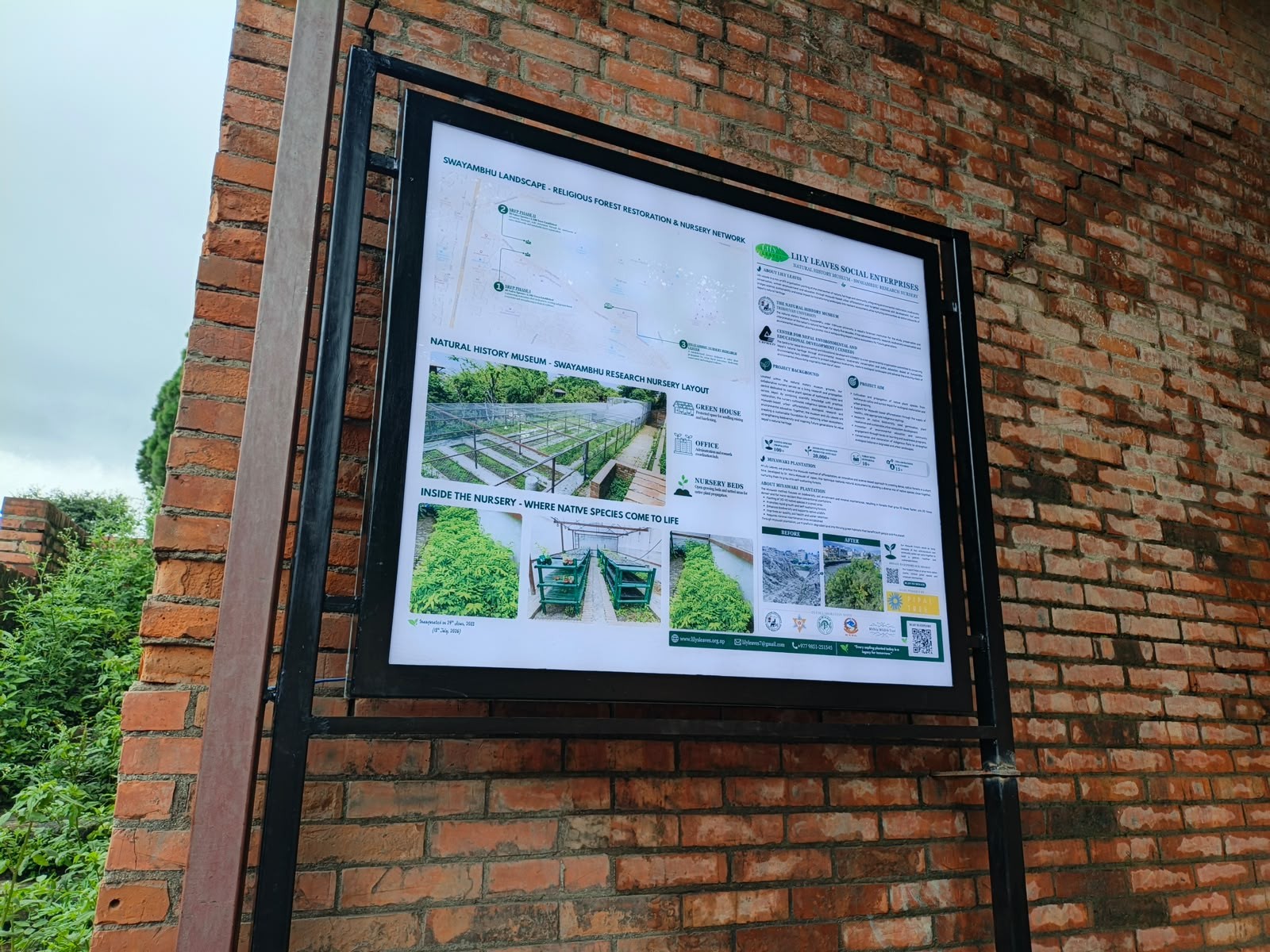
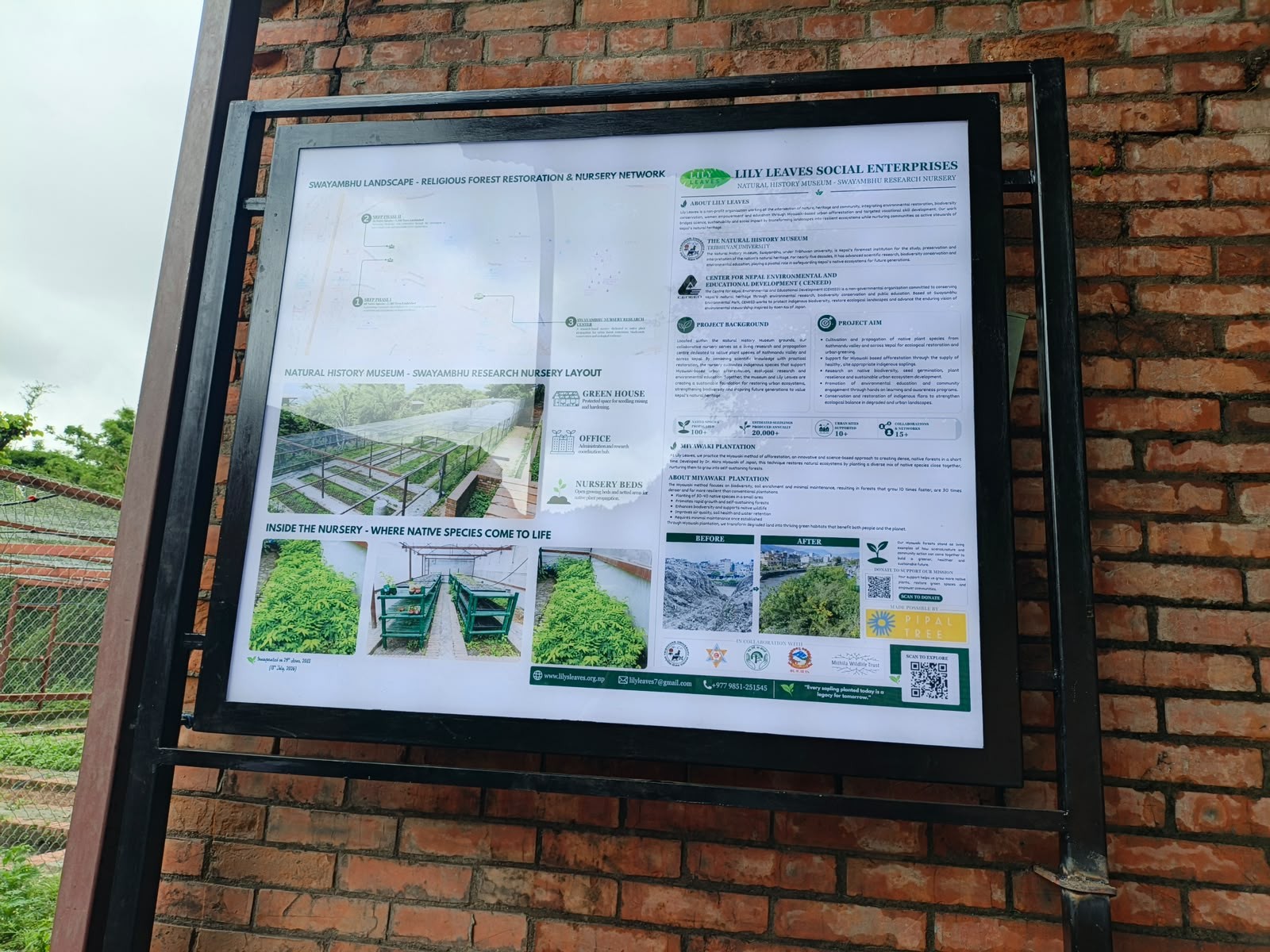
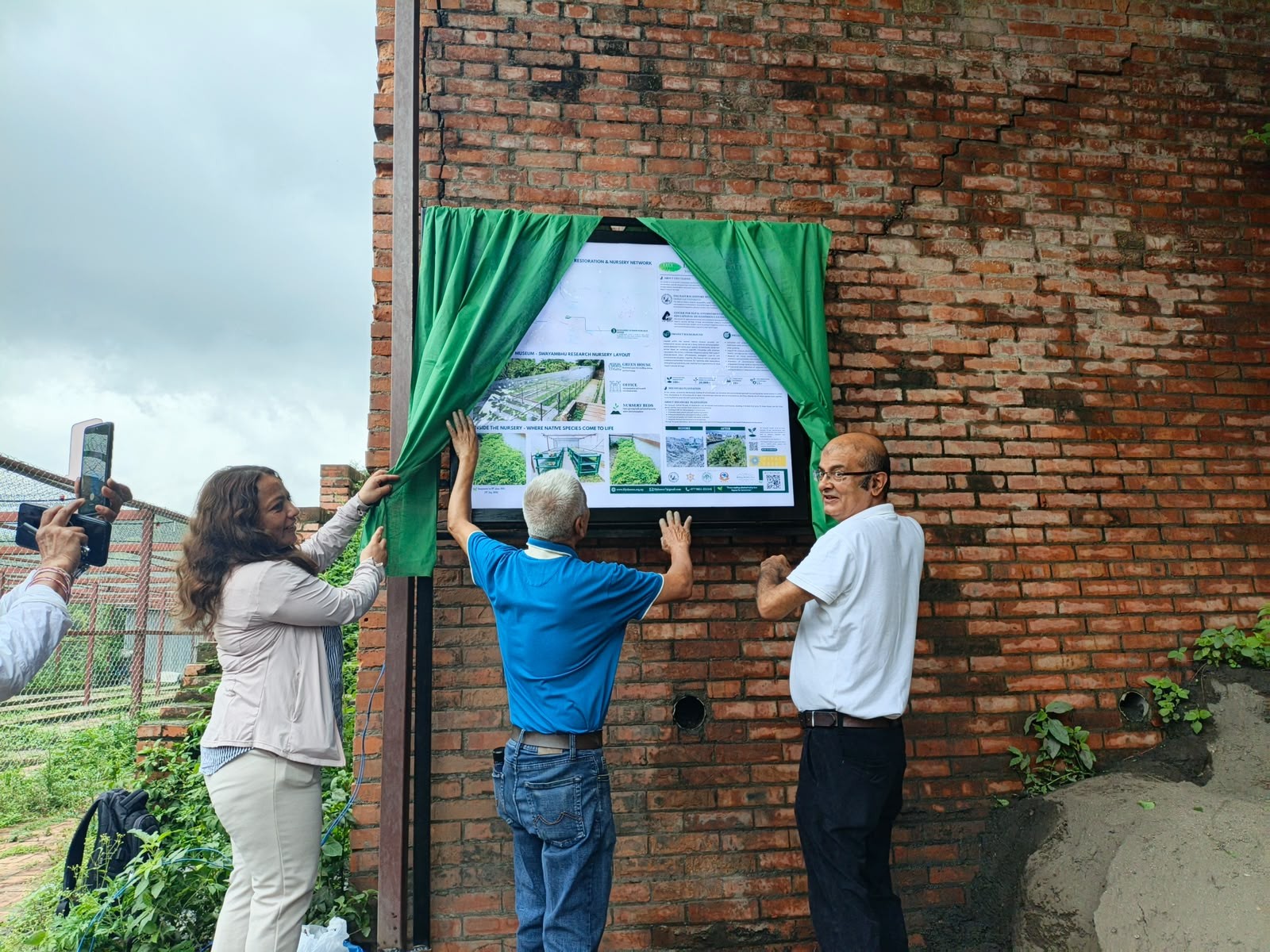
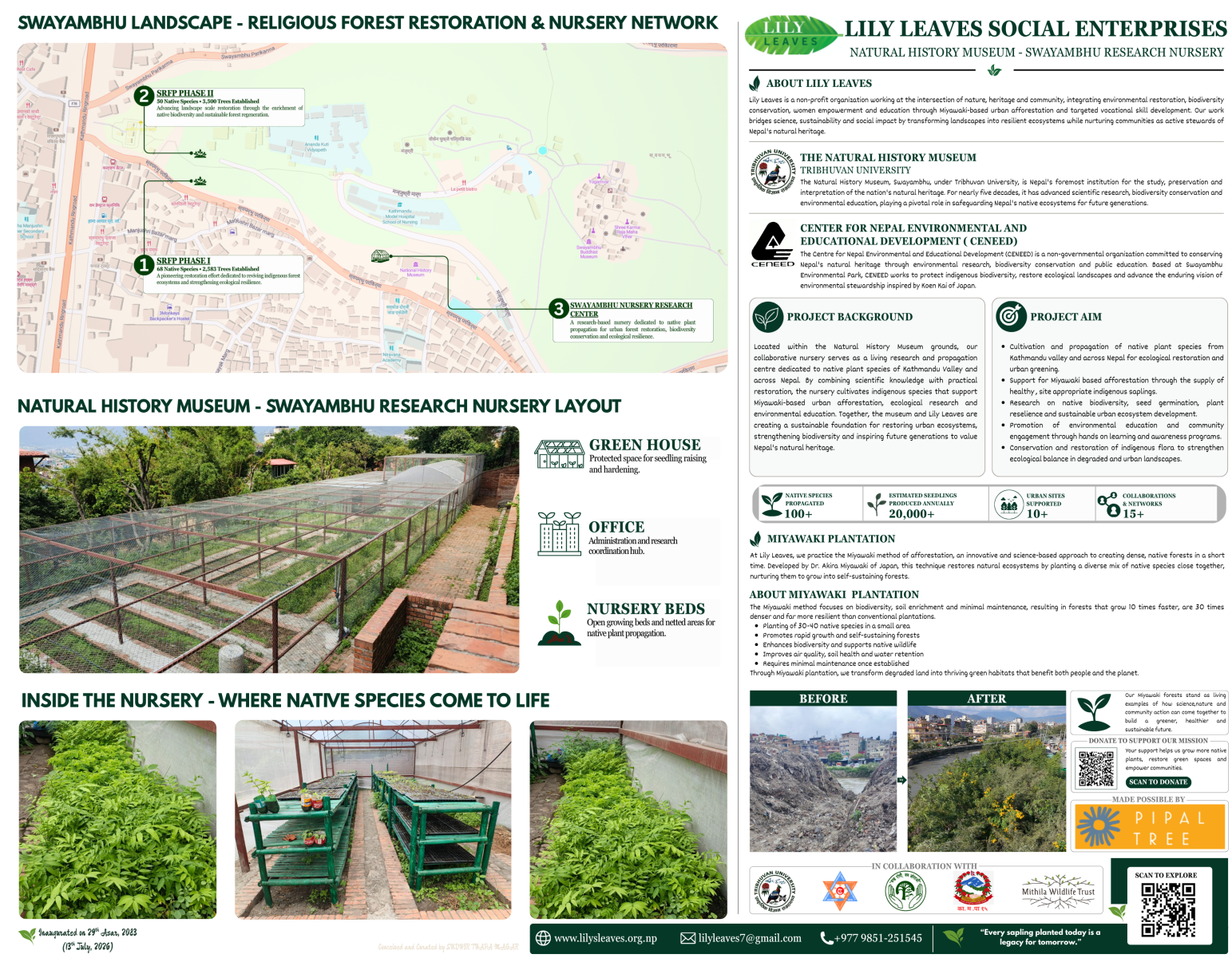
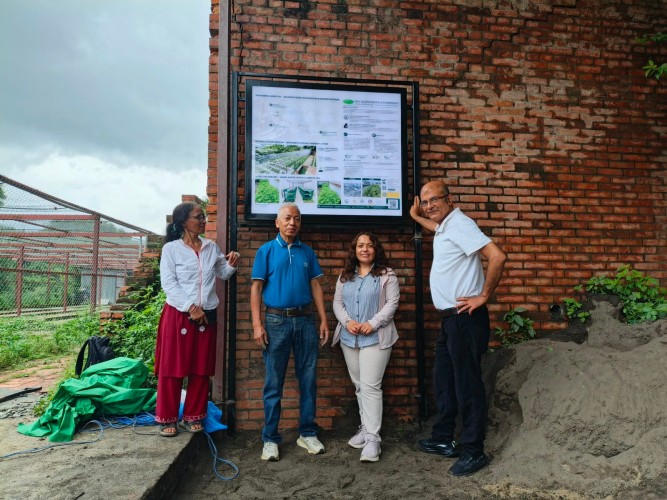
Lily Leaves Social Enterprises is pleased to announce the establishment of the Swayambhu Research Nursery, a dedicated facility for the propagation and conservation of Nepal’s native plant species.
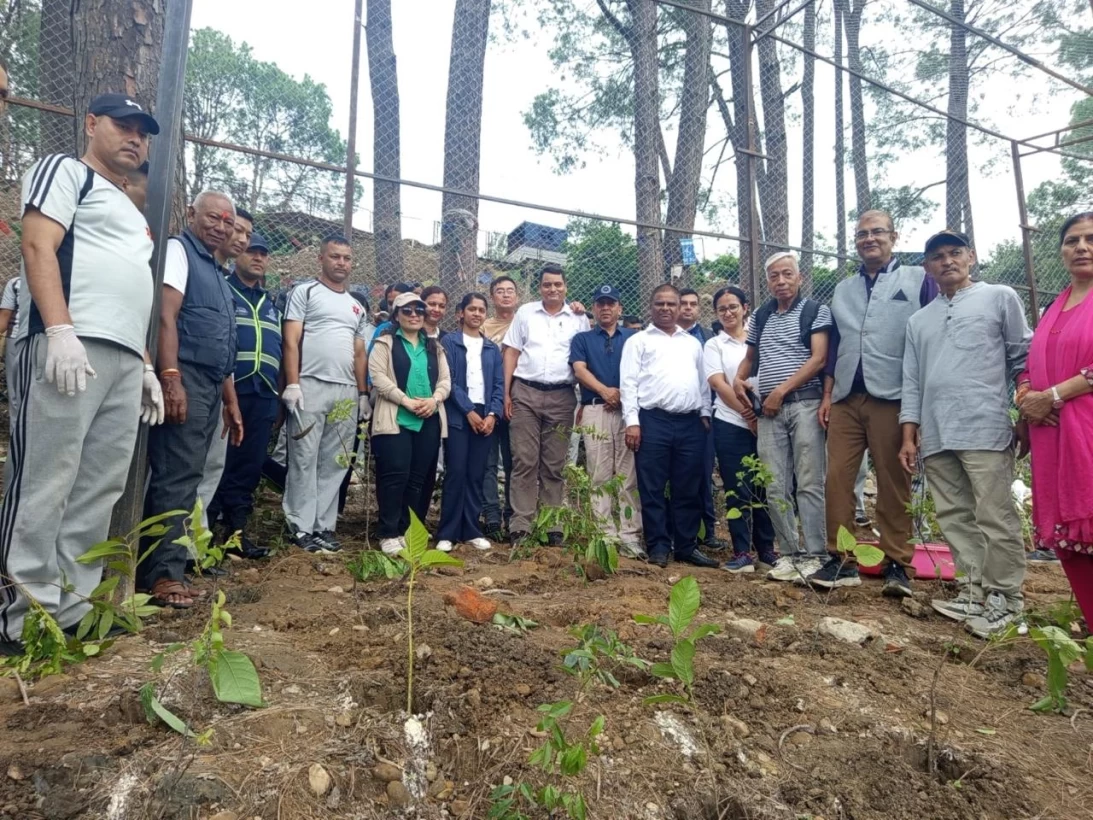
Located within the Natural History Museum premises at Swayambhunath, the nursery serves as a foundation for Lily Leaves’ long-term mission of restoring Nepal’s biodiversity through urban forest restoration, native tree plantations, environmental education, and conservation initiatives.
Growing Native Species for Urban Forest Restoration
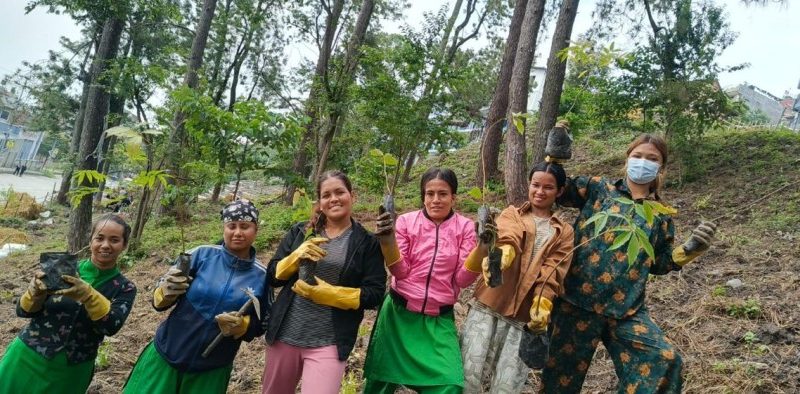
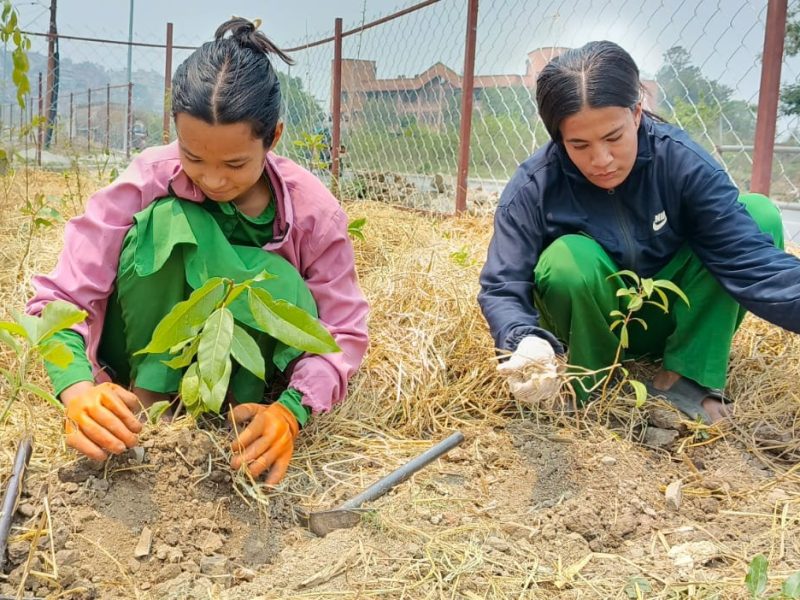
The nursery specializes in raising indigenous tree species that naturally occur in Nepal’s ecosystems. Every sapling is carefully propagated, nurtured, and prepared before being transplanted into urban forest restoration sites throughout the Kathmandu Valley.
Lily Leaves uses the Miyawaki Forest Method, an internationally recognized ecological restoration technique developed by Japanese botanist Dr. Akira Miyawaki. This method involves planting diverse native species at high density, allowing forests to establish rapidly while creating resilient ecosystems that closely resemble natural forests.
By cultivating healthy native saplings, the nursery provides the essential planting material required for creating dense urban forests that improve biodiversity, absorb carbon dioxide, reduce urban heat, improve air quality, and provide habitat for birds, butterflies, insects, and other wildlife.
A Living Laboratory for Learning
The Swayambhu Research Nursery has also been developed as an educational and research facility.
Students pursuing forestry, environmental science, botany, biodiversity conservation, and ecology are encouraged to visit the nursery to observe the complete process of native plant propagation from seed collection and germination to nursery management and sapling production.
The nursery also welcomes school students, colleges, universities, and environmental organizations interested in learning about Nepal’s native flora and the importance of ecological restoration.
During educational visits, participants can explore:
- Identification of Nepal’s native tree species.
- Seed collection and propagation techniques.
- Nursery management and sapling production.
- The ecological importance of native forests.
- The Miyawaki Forest Method and its application in urban landscapes.
- Biodiversity conservation and ecosystem restoration.
Through these experiences, students gain practical knowledge while developing a deeper understanding of why protecting native species is essential for Nepal’s environmental future.
Restoring Nature Through Science and Community
The Swayambhu Research Nursery represents more than a nursery it is a long-term investment in Nepal’s natural heritage.
Every sapling produced here contributes to Lily Leaves’ vision of creating healthier urban ecosystems by restoring native biodiversity, strengthening ecological resilience, and reconnecting communities with nature.
At Lily Leaves, we believe that successful conservation combines scientific knowledge, environmental education, and community participation. By producing native species and educating future environmental leaders, the nursery plays a vital role in ensuring that Nepal’s forests continue to thrive for generations to come.
As Lily Leaves continues expanding its environmental restoration projects alongside its women empowerment initiatives, the organization remains committed to building a greener, more resilient, and sustainable Nepal one native sapling at a time.